Stories
América Latina y el Caribe
27-02-2024
Regional human mobility team holds planning meeting in Bogotá
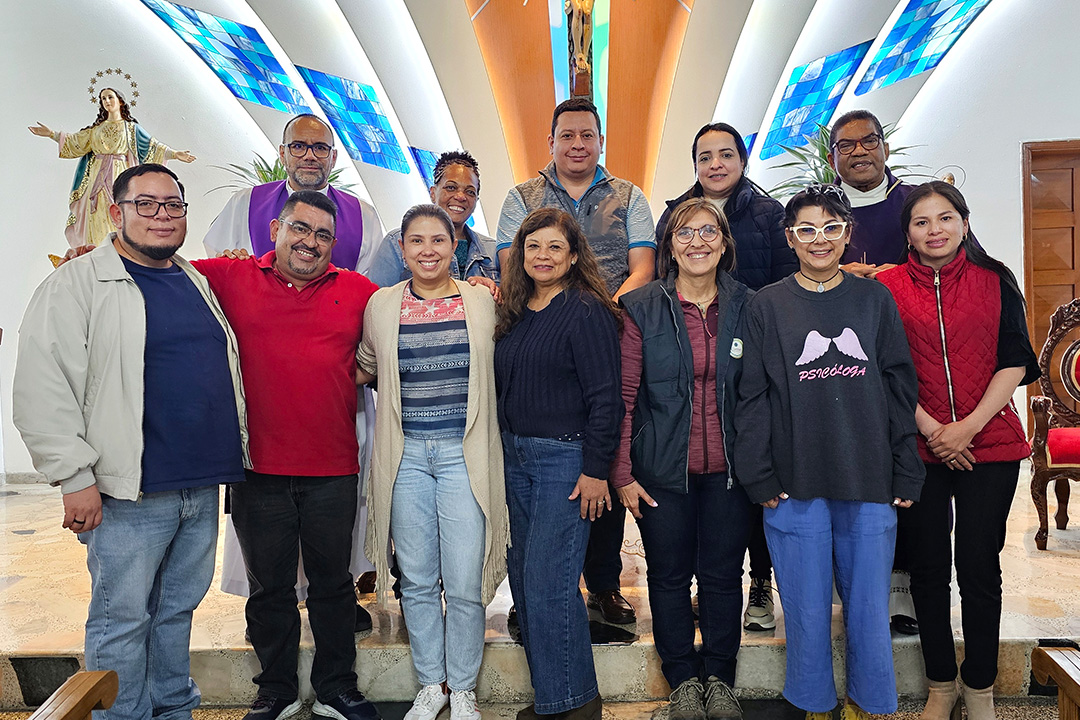
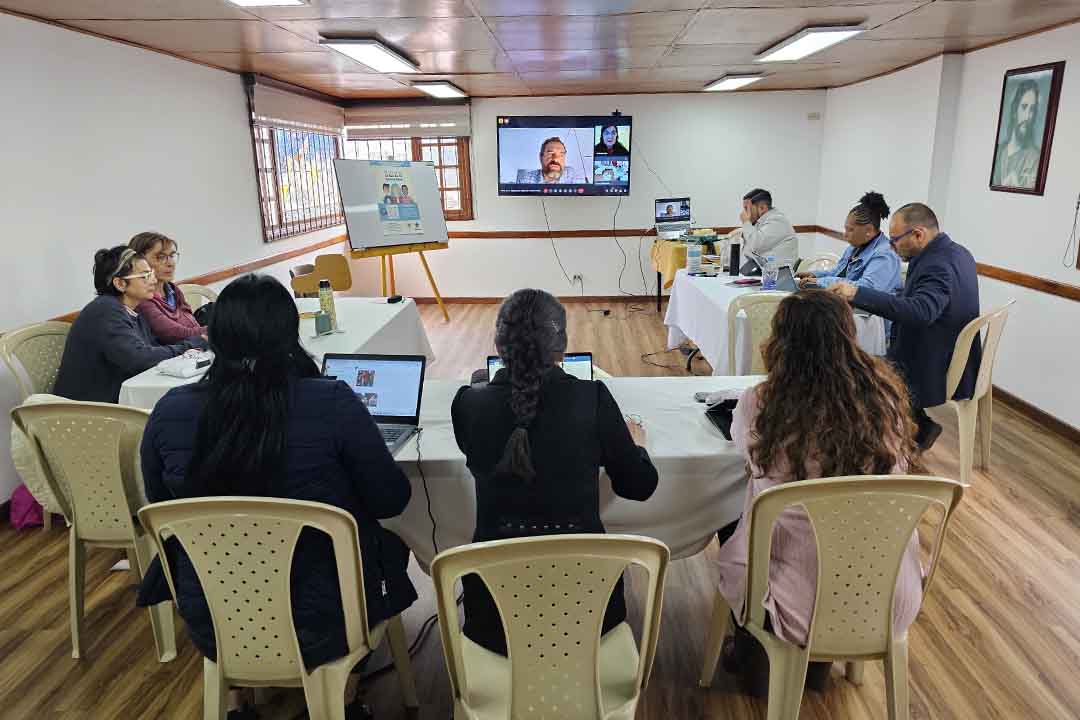
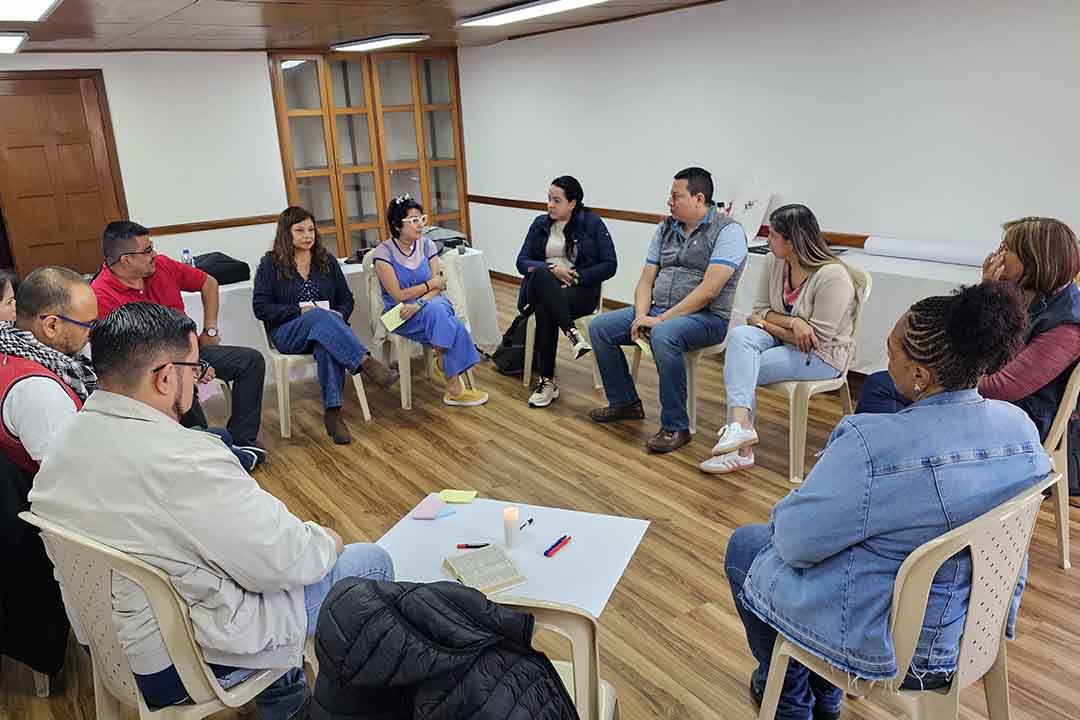
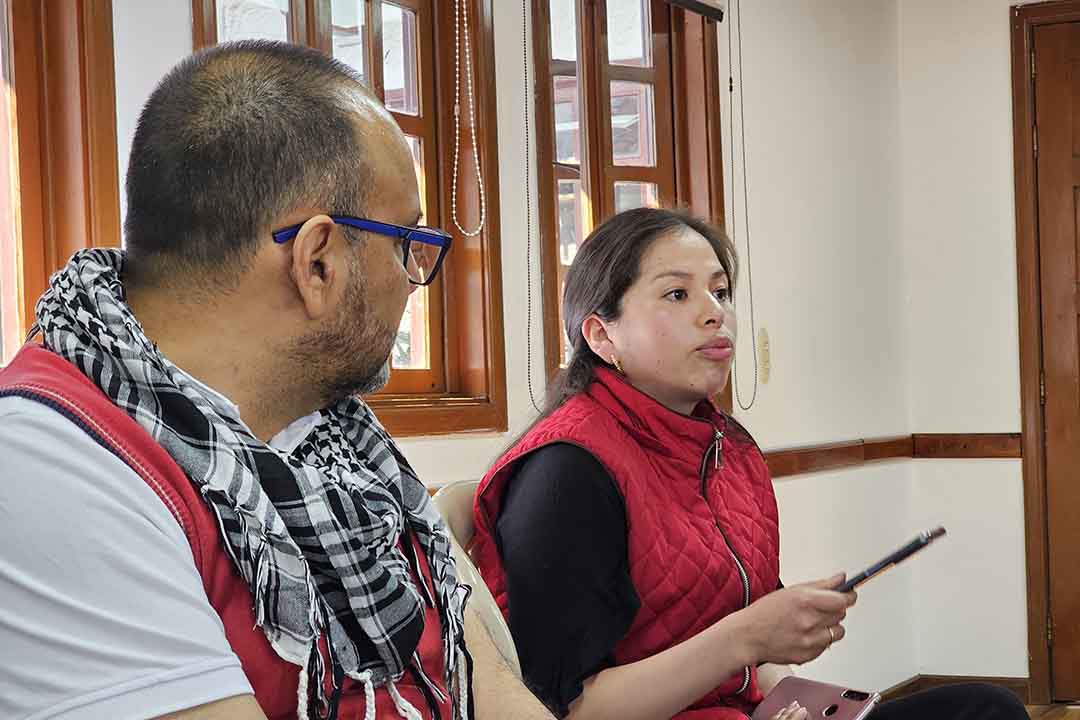
From February 26 to March 1, the regional migration, displacement, refuge and human trafficking team met at the San Pedro Claver Meeting House, in Bogotá, to plan their activities for the 2024-2027 quadrennium, based on the Strategic Framework of Cáritas Latin America and the Caribbean. There are 12 people representing the National Caritas of Costa Rica, Honduras, Peru, Colombia, Brazil, Uruguay, Ecuador and El Salvador.
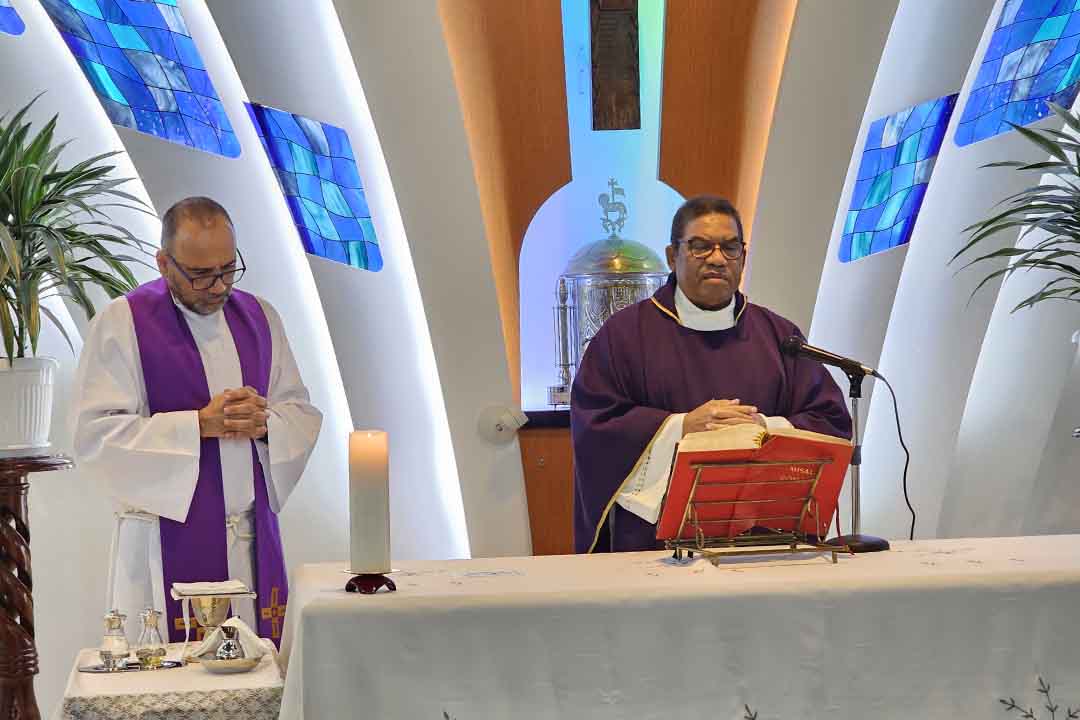
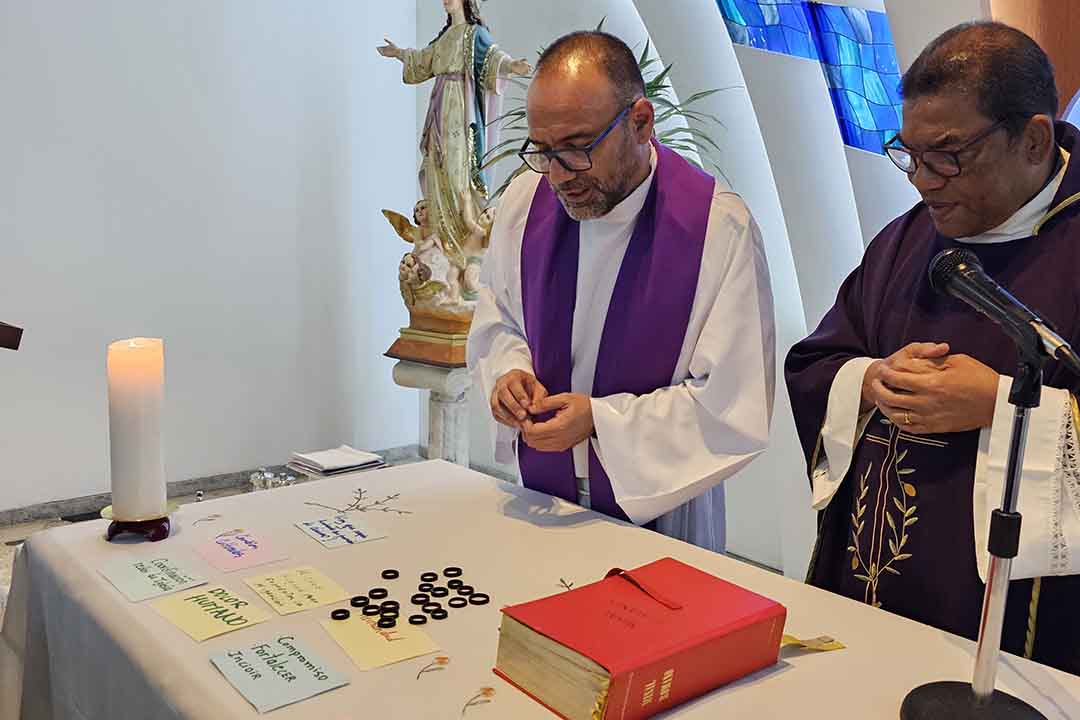
The day follows the methodology of seeing, judging and acting. The first day was marked by a moment of spirituality and analysis of the migratory reality of the countries present. Each one shared good practices, challenges, cries and hopes for the work they have been doing. Luis Carlos Rodríguez de la Cruz, coordinator of the forced migration and refuge area of CODHES (Consulting for Human Rights and Displacement) contributed to the group discussion by analyzing the regional context, where Latin America and the Caribbean face a triple challenge: growing social demands, limited fiscal resources and low growth. A considerable increase in migratory movements is evident. On the southwest border of the United States, it increased 27% between 2021 and 2022. Father Rafael Martín Castillo Torres, director of Cáritas Colombiana, made a fraternal visit to the group, presiding over the Eucharist and motivating them to work. During the celebration, each participant handed out a card, in the form of a prayer, with a word or expression that summarized the day.
The issue of incidence appeared on the second day of work. Víctor Genina highlighted the issue of Cartagena +40 and recalled the Convention relating to the Status of Refugees of 1951 and later the Cartagena Declaration, which summarizes it as a process that has to do with refugees or other people in need of international protection. Cecilia Nicoletti, reference for the issue of migration, displacement, refuge and trafficking at Caritas Internationalis, encouraged those present that we must raise our conscience and, to promote advocacy processes, we must do it together, joining these processes of demanding rights. The other guest of the day, Floriana Polito, head of advocacy at Caritas Internationalis in Geneva, spoke about advocacy organizations and the importance of Cáritas' contributions on the issue of the human rights of migrants for the Human Rights Report.
The final phase of the meeting will be dedicated to planning the team's activities, promoting articulation at the zonal and regional level and how to support the national Caritas in their work with migrants. The meeting will end with a visit to a migrant reception project in Soacha, accompanied by Cáritas Colombiana.
Human mobility