Stories
América Latina y el Caribe
07-12-2023
Caritas present at COP28
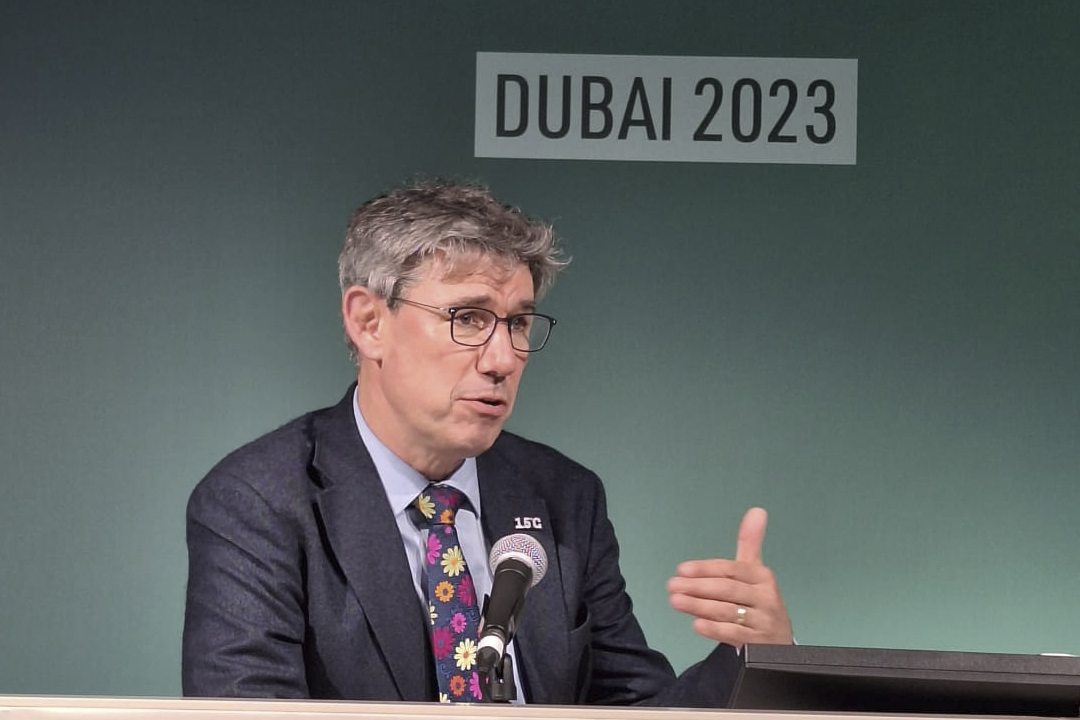
The Conference of the Parties (COP) is the Annual Summit held by the United Nations Framework Convention on Climate Change, this 2023 it was the city of Dubai in the United Arab Emirates to host the twenty-eighth summit.
Caritas representatives from the different regions of the planet together with Caritas Internacionalis urged world leaders for a fair and bold agreement, to guarantee the gradual elimination of fossil fuels; Pope Francis in his message sent to COP28 mentioned: How much energy humanity is wasting in the numerous ongoing wars, such as in Israel and Palestine, in Ukraine and in many regions of the world; conflicts that will not solve the problems, but will increase them! How many resources were wasted on weapons, which destroy lives and ruin the common home! I launch a proposal again: "with the money used on weapons and other military expenses, let us establish a Global Fund to end hunger once and for all."
The conference has highlighted the urgent need to abandon fossil fuels to avoid catastrophic consequences for the environment and humanity. The global commitment to transitioning to cleaner energy sources is a significant step in the fight against climate change.
The main outcomes and conclusions of COP28 include:
1. Climate Finance: There was dissatisfaction with the levels of financing for the fight against climate change, especially in the area of adaptation. The lack of progress on issues such as consensus on a common definition of financing the fight against climate change was highlighted.
2. Agriculture and Climate Change: Negotiations on Joint Working on Agriculture have been delayed until 2024, perceived as a major obstacle to effective climate action in agriculture. The exclusion of food systems transformation from the final text of the Global Assessment raised concerns.
3. Energy Transition: The urgent need for a just transition away from fossil fuels before the end of this decade, in order to achieve net zero emissions by 2050, was highlighted.
4. Loss and Damage: Although a new fund was created for vulnerable countries, concerns remain about its administration and long-term effectiveness.
These results reflect the complexity and challenges facing the international community in the fight against climate change, as well as the need for concrete actions and stronger commitments to address these problems.
What specific actions are being taken to achieve a just transition to cleaner energy sources?
To achieve a transition fair towards cleaner energy sources, several specific actions are being taken, including:
1. Ditching fossil fuels: COP28 highlighted the need to ditch fossil fuels before the end of this decade, in order to achieve net-zero emissions by 2050.
2. Renewable energies: The importance of renewable energy generation and the links established between agriculture and climate change were highlighted.
3. Just transition: The need for a just transition was emphasized to ensure that workers and communities affected by the transition to cleaner energy sources are protected and supported.
4. Financing: The need for financing was highlighted to support the transition to cleaner energy sources and to ensure that developing countries have access to clean technologies.
These specific actions reflect the need for a comprehensive and collaborative approach to achieve a just transition to cleaner energy sources, addressing both technical and social and economic aspects.
What is the role of civil society and business in the implementation of decisions taken in the COP28?
The role of civil society and business in implementing the decisions taken at COP28 is crucial to moving towards a sustainable future. Some of the key contributions that civil society and business can make include:
1. Raising awareness and pressure: Civil society can play a key role in raising awareness of the importance of the transition to cleaner energy sources and in lobbying for concrete action at local, national and international levels.
2. Innovation and technology: Companies can drive innovation and the development of clean technologies, as well as the adoption of sustainable practices in their operations.
3. Collaboration and partnerships: Civil society and businesses can collaborate in public-private partnerships to implement projects and programs that promote the transition to cleaner energy sources and climate change mitigation.
4. Responsibility and accountability: Both civil society and business can advocate for accountability and transparency in the implementation of the decisions made at COP28, ensuring that commitments made are met.
In summary, civil society and business play a fundamental role in the implementation of the decisions taken at COP28, whether through social mobilization, technological innovation, collaboration or the promotion of environmental responsibility.
Care of the common home and Holistic Human Development,
Democracy, human rights and peace building